From 2.950 €
5 (7 Reviews)
10 Dates
I have some questions 🙋The classic circuit of the Mont Blanc massif through Italy, Switzerland and France — eight days of guided walking carrying only a light daypack, a full rest day in Chamonix, and every night in a comfortable hotel. Every transfer, packed lunch and dinner is taken care of, from the welcome dinner on your first night to the farewell dinner in Courmayeur. Led throughout by IFMGA Mountain Guides and International Mountain Leaders. Starting and finishing in Courmayeur.
Our 2026 departures are sold out — bookings for 2027 are now open.
We run small-group departures of our Tour du Mont Blanc Comfort Trek between mid-June and mid-September: you arrive in Courmayeur with our included Geneva transfer, meet your guide and gather for the welcome dinner, and take your first steps on the trail the following morning. Places are limited and the classic summer dates fill early.
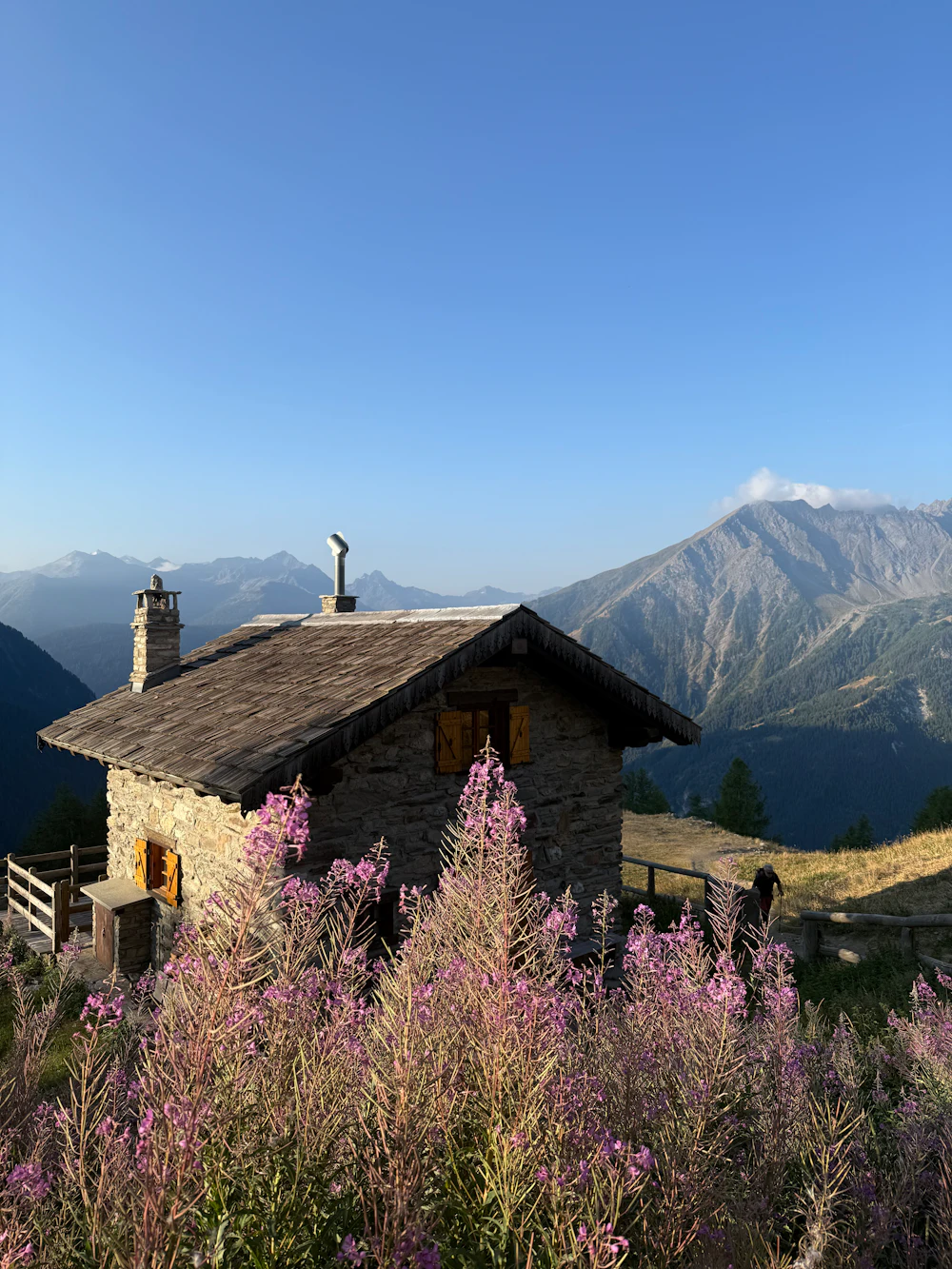
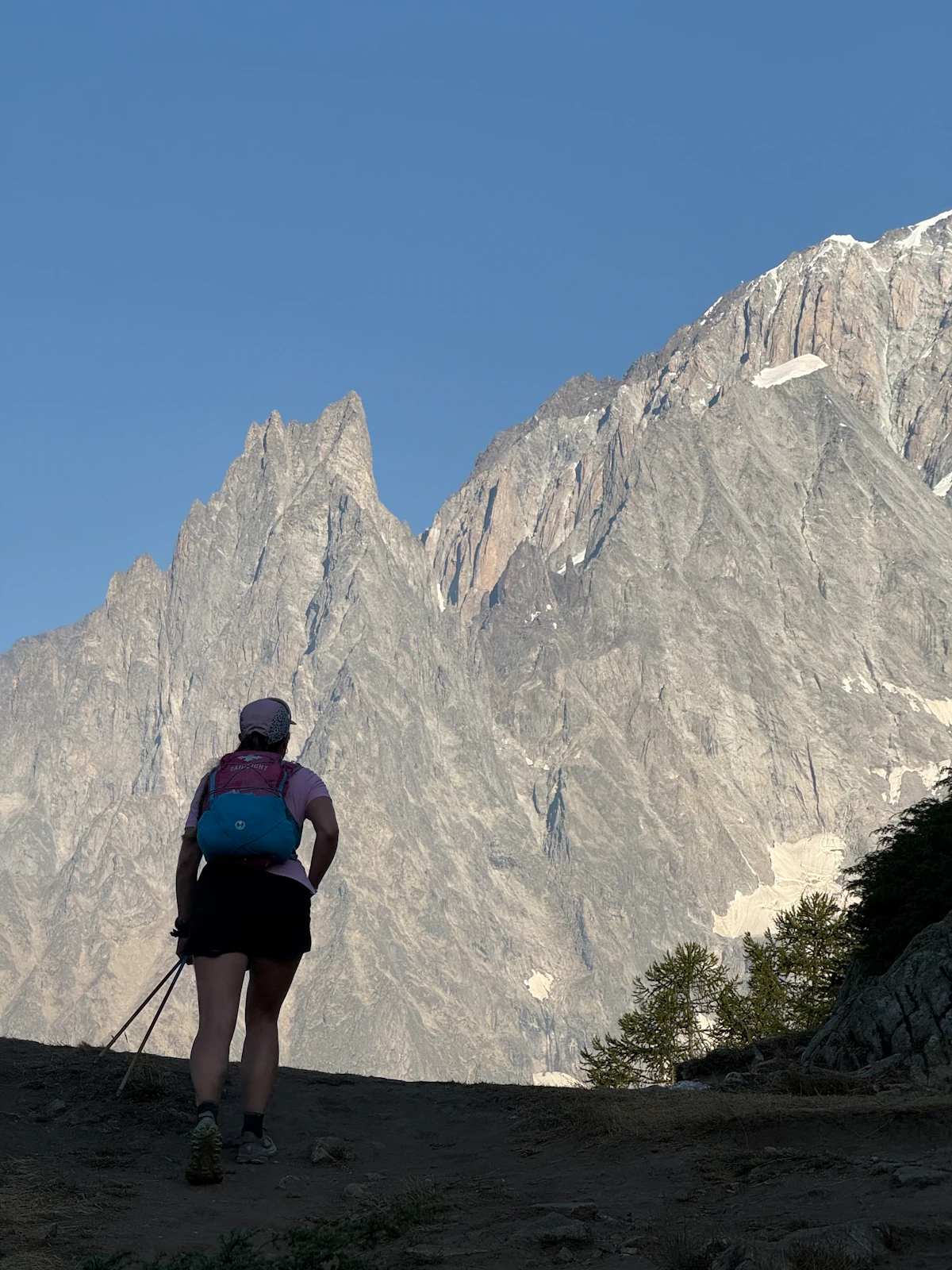
The Tour du Mont Blanc is the most famous long-distance trek in the Alps: roughly 170 kilometres circling the entire Mont Blanc massif through three countries — Italy, Switzerland and France — with around 10,000 metres of cumulative ascent and descent. Over eight days of walking you cross high mountain passes, follow airy balcony trails directly opposite the Grandes Jorasses and the great glaciers of Mont Blanc, and arrive in a different alpine village almost every evening.
The Comfort Trek is built around a simple idea: the walking should be everything, and the daily hassle should be handled. The trail is exactly as demanding as it has always been — that is the point. What changes is everything around it. You carry only a light daypack; your main luggage travels ahead by road each morning and is waiting when you arrive. Every dinner, every packed lunch, every transfer has been arranged before you take your first step. And at the journey's heart sits a full rest day in Chamonix.
At the end of each day you arrive somewhere comfortable and welcoming: a hot shower, a private twin or double room, a proper dinner and a real bed. It is the perfect balance between a genuine mountain adventure and the comfort that lets you recover well and enjoy every stage of the journey.
Your group is led by an IFMGA Mountain Guide or a qualified International Mountain Leader — a professional who lives and works in these valleys, knows every variant, shortcut and weather window, and chooses the best line each morning for the group and the conditions. When clouds sit on one pass, your guide knows which balcony trail will be clear. When an afternoon storm is forecast, the day starts earlier and the pace is managed accordingly. This is the difference between following a route and being guided around a mountain.
From the moment you land, the trip is taken care of. Transfers from Geneva airport to Courmayeur and back are included, along with every night of accommodation, every breakfast, a freshly prepared packed lunch for each trekking day, and every dinner — from the welcome dinner on your first evening to the farewell dinner that closes the loop. Between them, dinners are taken in the hotels and villages along the way — mountain cooking that changes character as you cross borders, from polenta and fontina in the Aosta valleys to rösti in Switzerland and Savoyard classics in France.
We have been guiding around the Mont Blanc massif for over 20 years. Our guides don't visit these valleys in summer — they live in them. That local depth shapes every decision on this program, from the direction we walk to the hotels we book.
Comfort that serves the trekking. The TMB is a genuinely demanding trek, with sustained climbs and long descents day after day. Recovery is what makes it sustainable — which is why this program builds it in: a quiet room, a proper dinner, your own luggage waiting at reception, and a full rest day in Chamonix at the heart of the journey. You start each morning restored rather than merely rested. We designed this program hotel-to-hotel because it is the version of the TMB that lets you enjoy all of it.
One price, no surprises. Airport transfers from Geneva, every dinner from the welcome to the farewell, all breakfasts and packed lunches on the trail, luggage transfers, the route cable cars, and professional guiding throughout. All included. You book once, and then your only job is to walk.
Local guiding, real decisions. Weather around Mont Blanc changes fast, and the TMB is full of variants. A guide who knows the massif intimately turns those variants into opportunities — a clearer col, a quieter balcony, a better lunch spot — rather than problems. This is what you cannot get from a guidebook or a GPX track.
The UTMB competition. Every year, at the end of August, the Ultra-Trail du Mont-Blanc — the most famous trail race in the world — brings some ten thousand runners, and many times that number of supporters, onto the very trails of the TMB. It is a magnificent spectacle, but not the week for a peaceful trek: paths become race courses, villages become finish lines, and hotels along the route fill a year in advance. We deliberately schedule no departures that would put you on the trail during UTMB week, so your circuit unfolds at the mountain's own rhythm — not the race's.
The circuit ends in Courmayeur — and Courmayeur is a very good place to linger. If you'd like to extend your stay and treat yourself to one last alpine experience, two ideas come warmly recommended by our guides.
A recovery day at QC Termemontebianco. A few minutes from Courmayeur, in Pré-Saint-Didier, the QC Terme thermal spa is one of the finest in the Alps: outdoor thermal pools facing the Mont Blanc massif, saunas, steam rooms and relaxation spaces built around waters that have been used for recovery since the 1800s. After a week and a half in the mountains, an afternoon drifting between warm pools with the mountain you just circled filling the horizon is, in our experience, the perfect final chapter.
Skyway Monte Bianco. Alternatively — or additionally — ride one of the most spectacular cable cars in the world from Courmayeur to Punta Helbronner at 3,466 m, in rotating panoramic cabins that lift you from the valley floor into the glacier world in minutes. From the top terrace you stand among the granite spires and séracs of the massif you have just walked around, with Mont Blanc close enough to read the texture of its ice. It is a remarkable way to see your entire route from above, and a fitting farewell to the mountain.
Both are easy to arrange independently, and we're happy to advise on timings, an extra hotel night in Courmayeur, or a later transfer if you decide to stay on.
Arrive in Courmayeur, the elegant mountain town at the Italian foot of Mont Blanc, and settle into your hotel. In the late afternoon you'll meet your guide and the group for a briefing on the week ahead, followed by a welcome dinner in town — a relaxed first evening to get to know the people you'll be walking with.
Shared transfer from Geneva airport to Courmayeur included (departing 15:00).
Group private transfer from Geneva at 15:00 (included) | Single private transfers available on request (extra cost) | Night in Courmayeur (hotel) · Meals: welcome dinner
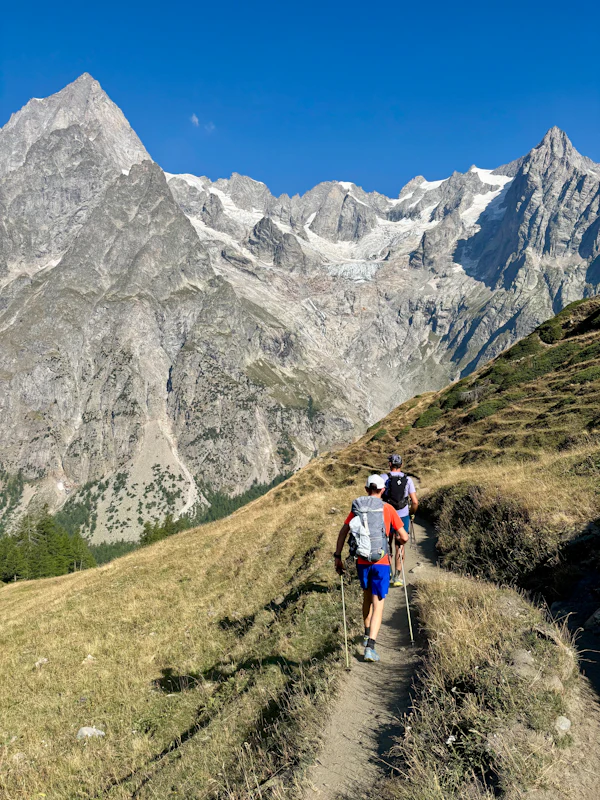
A perfect first day on the trail. We climb to the high balcony path above the Italian Val Ferret, following the route past Rifugio Bertone and Rifugio Bonatti with the great south faces of the Grandes Jorasses filling the sky across the valley. This is one of the most photographed stretches of the entire TMB, and an ideal way to find your rhythm.
In the afternoon we descend and return to Courmayeur for a second night.
Ascent ~1,000 m · ~6 hours · Night in Courmayeur (hotel) · Meals: breakfast, packed lunch, dinner
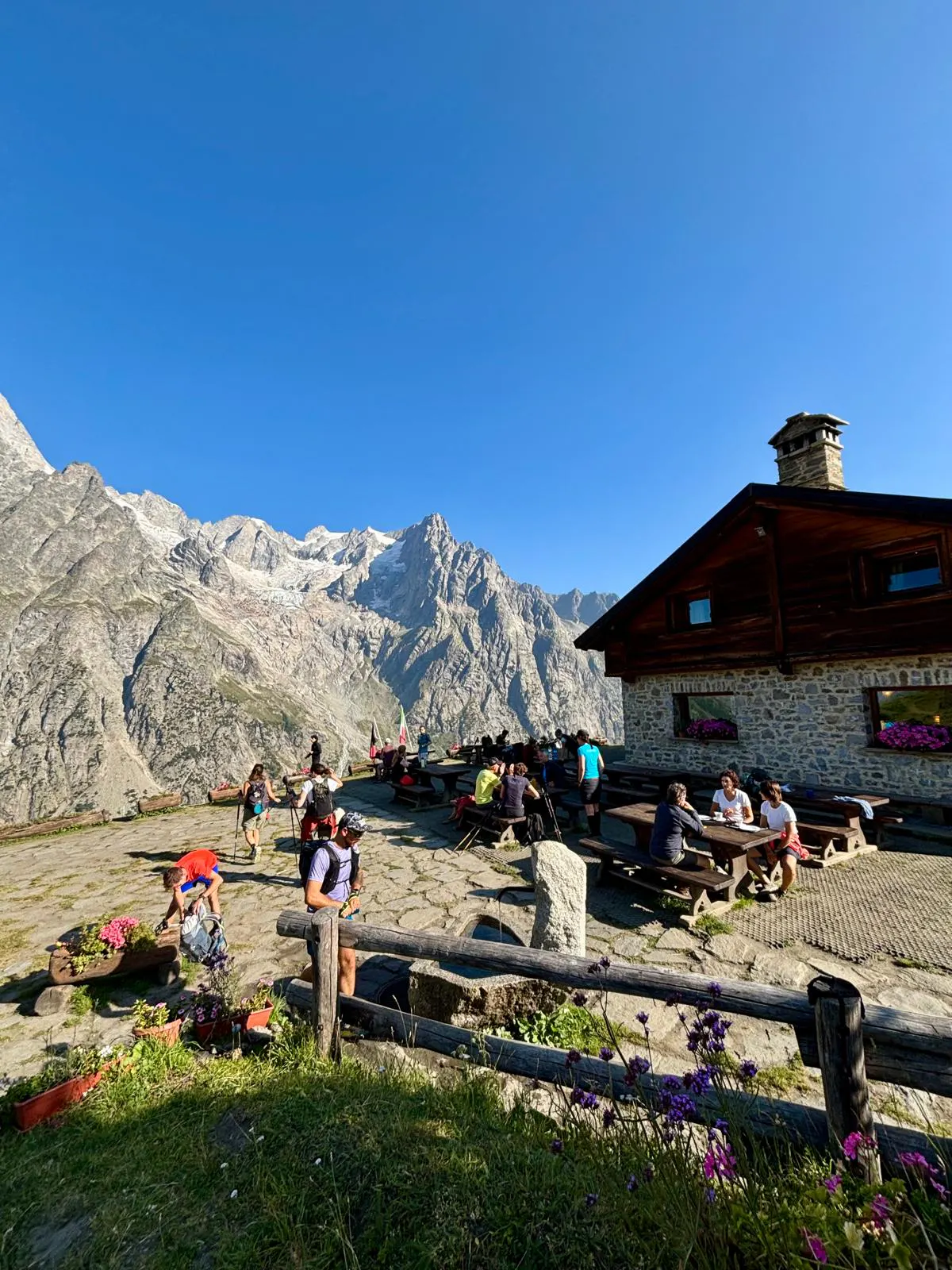
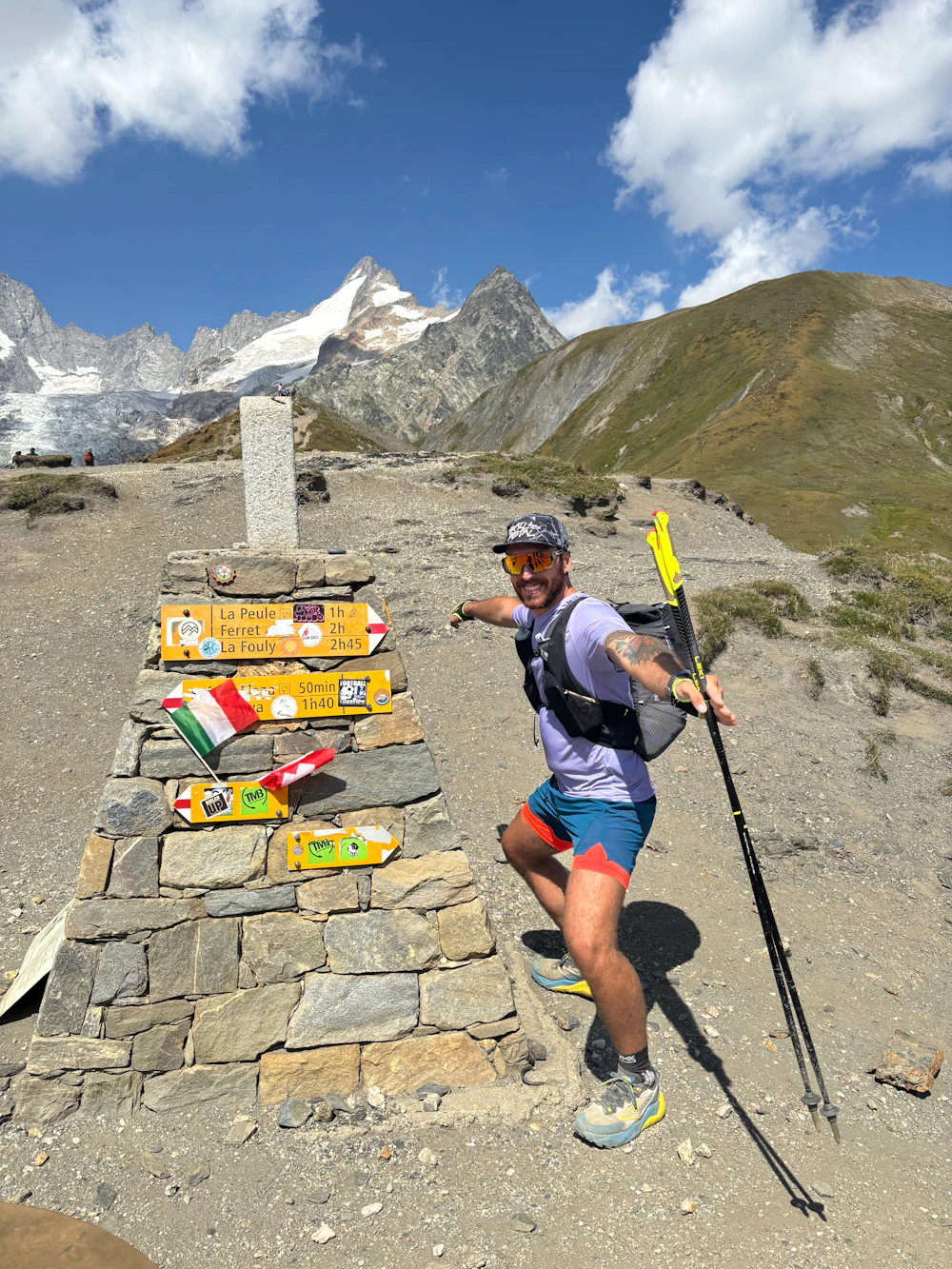
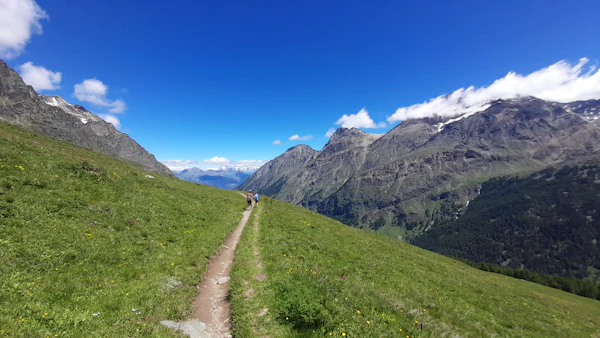
Today we cross a border on foot. From the head of the Val Ferret we climb steadily to the Grand Col Ferret (2,537 m), the pass that carries the trail from Italy into Switzerland. The view back over the Italian side and forward into the green Swiss Val Ferret is one of the great moments of the tour.
A long, satisfying descent brings us to La Fouly, a quiet Swiss mountain village, where we spend the night.
Ascent ~900 m · Descent ~1,000 m · ~6 hours · Night in La Fouly (hotel) · Meals: breakfast, packed lunch, dinner
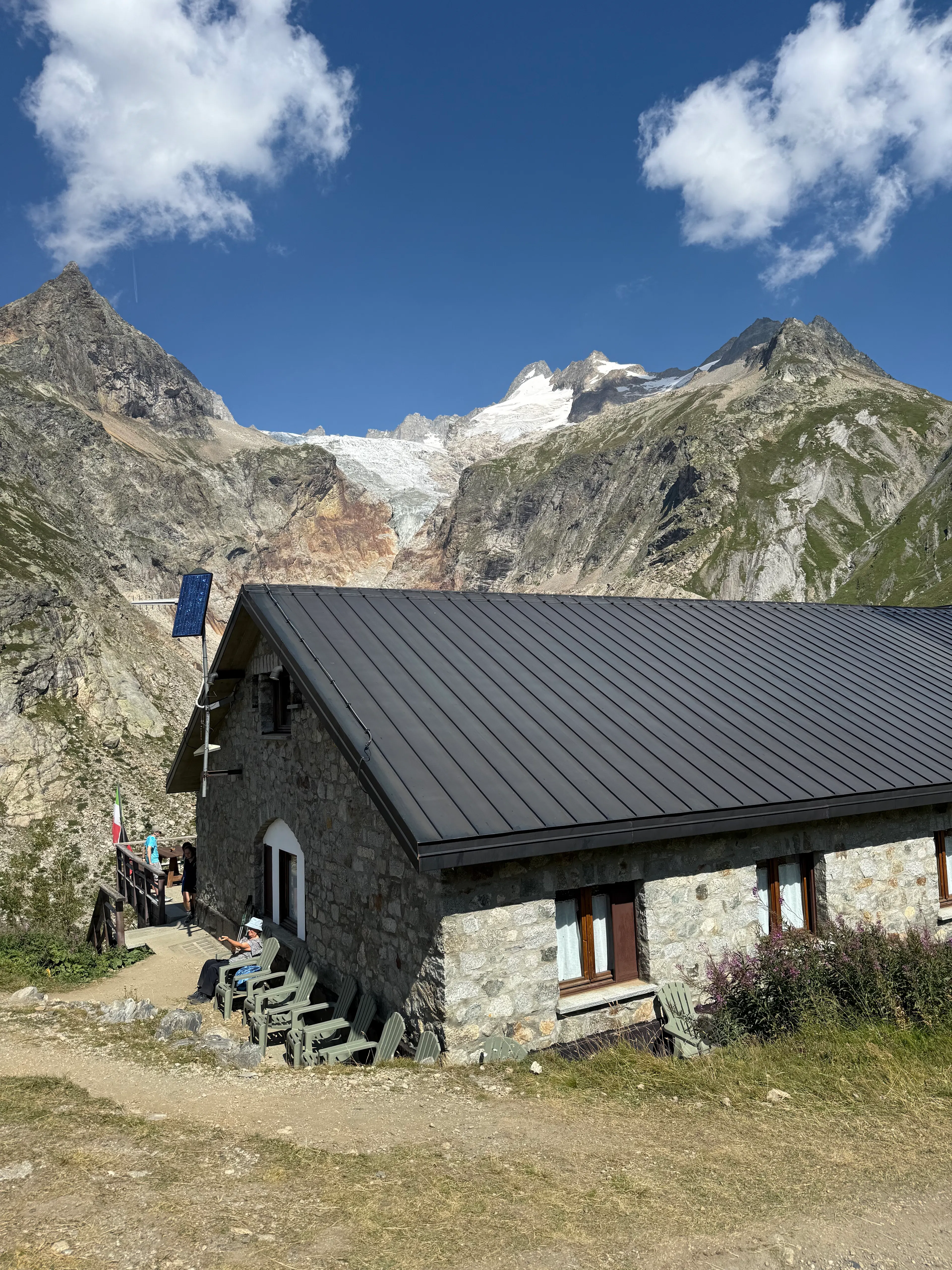
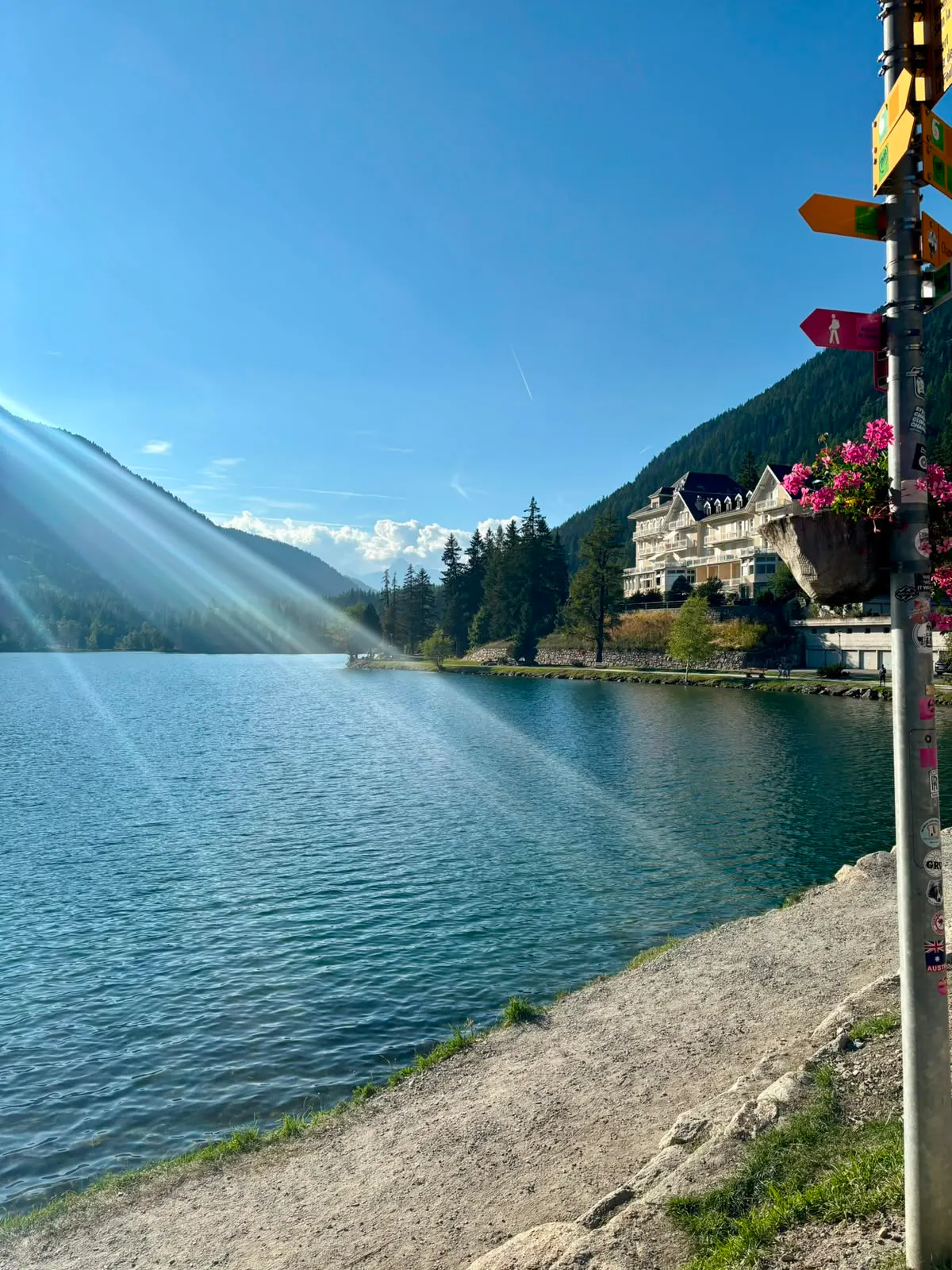
From Champex we set off on foot, climbing through forest and pasture over the Bovine route (or, in good conditions and at the guide's discretion, the higher Fenêtre d'Arpette variant) before descending to the village of Trient, with its distinctive pink church, where we spend the night.
Ascent ~800 m · ~6 hours · Morning taxi transfer included · Night in Trient (hotel) · Meals: breakfast, packed lunch, dinner
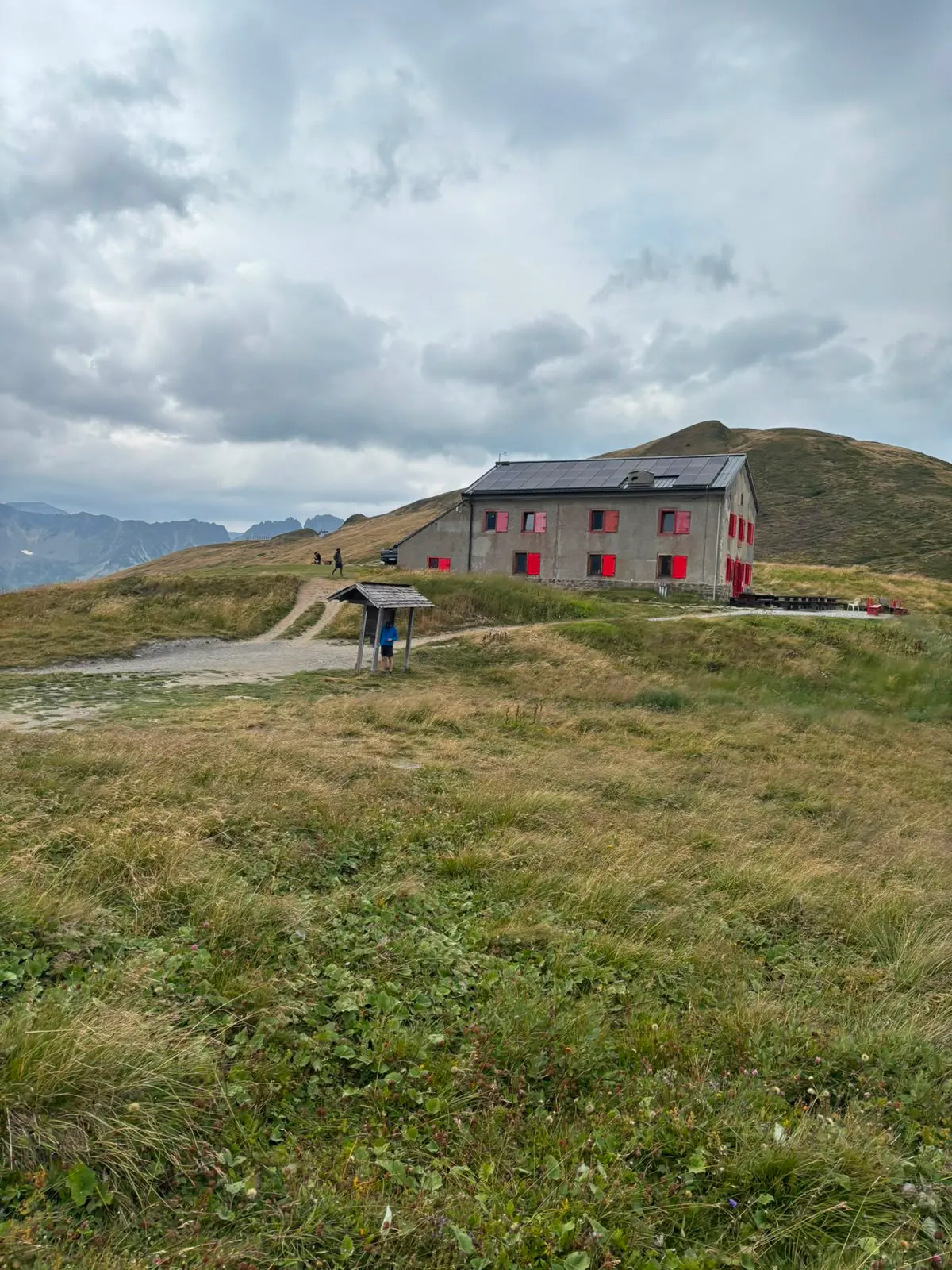
We climb out of Trient to the Col de Balme (2,191 m), the frontier pass where Switzerland gives way to France and — weather permitting — the whole Mont Blanc massif opens up ahead of you in one sweeping view, with the Chamonix valley far below.
A fine descent brings us down through Le Tour and into Argentière, one of the most beautiful villages in the Chamonix valley, surrounded by glaciers and dramatic peaks. Tonight we settle in after a spectacular day on the trail, with time to enjoy the unique atmosphere of this historic alpine valley.
Ascent ~750 m · ~5 hours · Night in Argentière (hotel) · Meals: breakfast, packed lunch, dinner
One of the scenic highlights of the tour. We traverse the balcony trails of the Aiguilles Rouges, the range that faces Mont Blanc across the valley, with the entire massif — Mont Blanc, the Aiguille du Midi, the Bossons glacier — laid out in front of us the whole way.
We take the Flégère cable car down into Chamonix, the historic capital of alpinism, where we begin two nights in the valley.
Ascent ~900 m · ~6 hours · Flégère cable car included · Night in Chamonix (hotel) · Meals: breakfast, packed lunch, dinner
A full day to rest and enjoy Chamonix at your own pace. Wander the town's streets and cafés, browse the mountaineering shops, or simply put your feet up. If you're feeling energetic, this is the day to take the famous Aiguille du Midi cable car up to 3,842 m for a close-up view of Mont Blanc (optional, at your own cost) — your guide can help you plan it and suggest other options to suit the weather and how your legs are feeling.
A second night in Chamonix.
Rest day · Night in Chamonix (hotel) · Meals: breakfast, dinner
Back on the trail and into the quieter, greener country of the tour's French side. We take the bus to Les Houches and ride the Bellevue cable car up, then climb over the Col de Tricot — crossing the airy suspension bridge below the Bionnassay glacier — before descending to the welcoming village of Les Contamines for the night.
Ascent ~1,000 m · ~6 hours · Bus to Les Houches + Bellevue cable car included · Night in Les Contamines (hotel) · Meals: breakfast, packed lunch, dinner
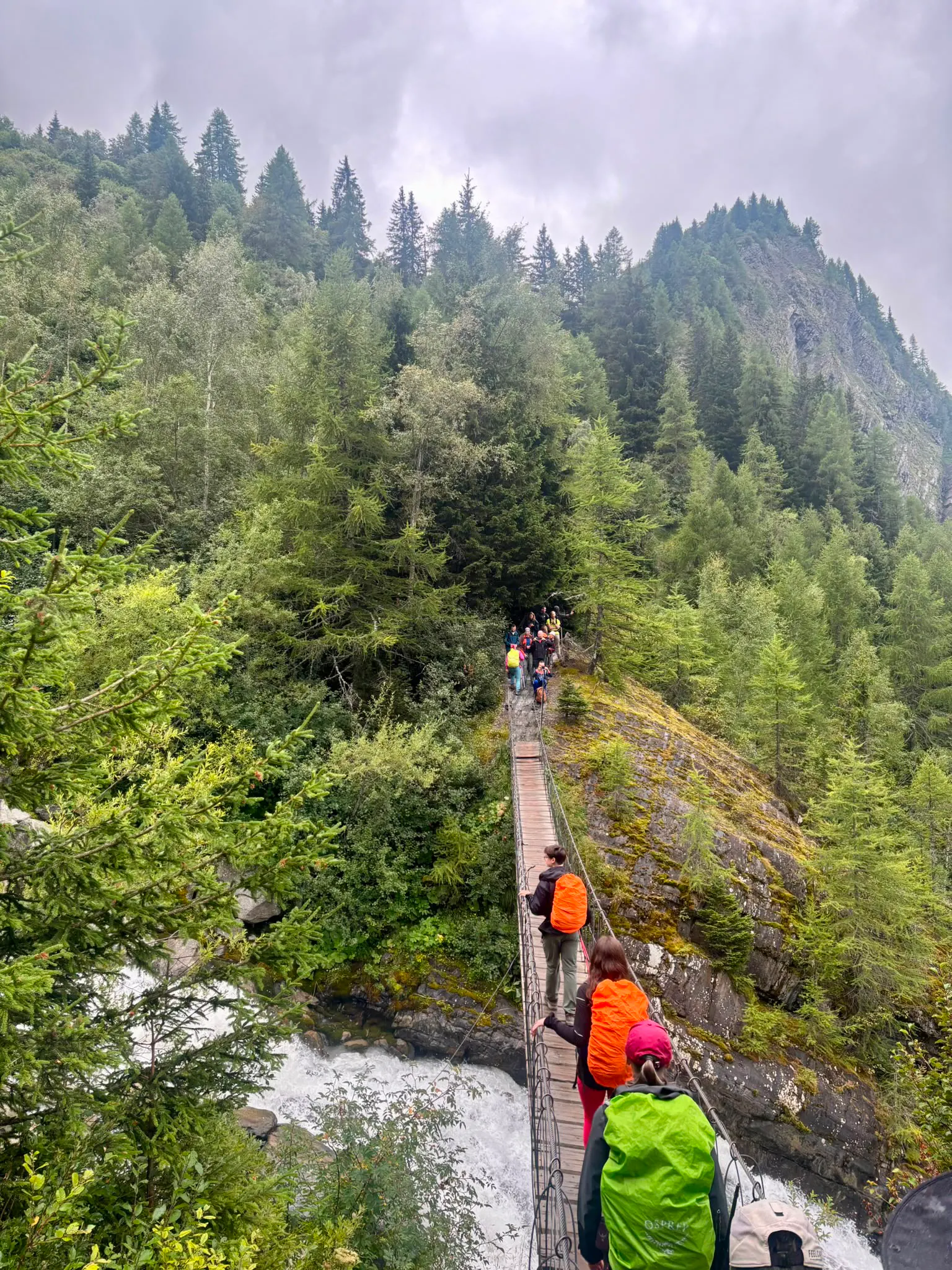
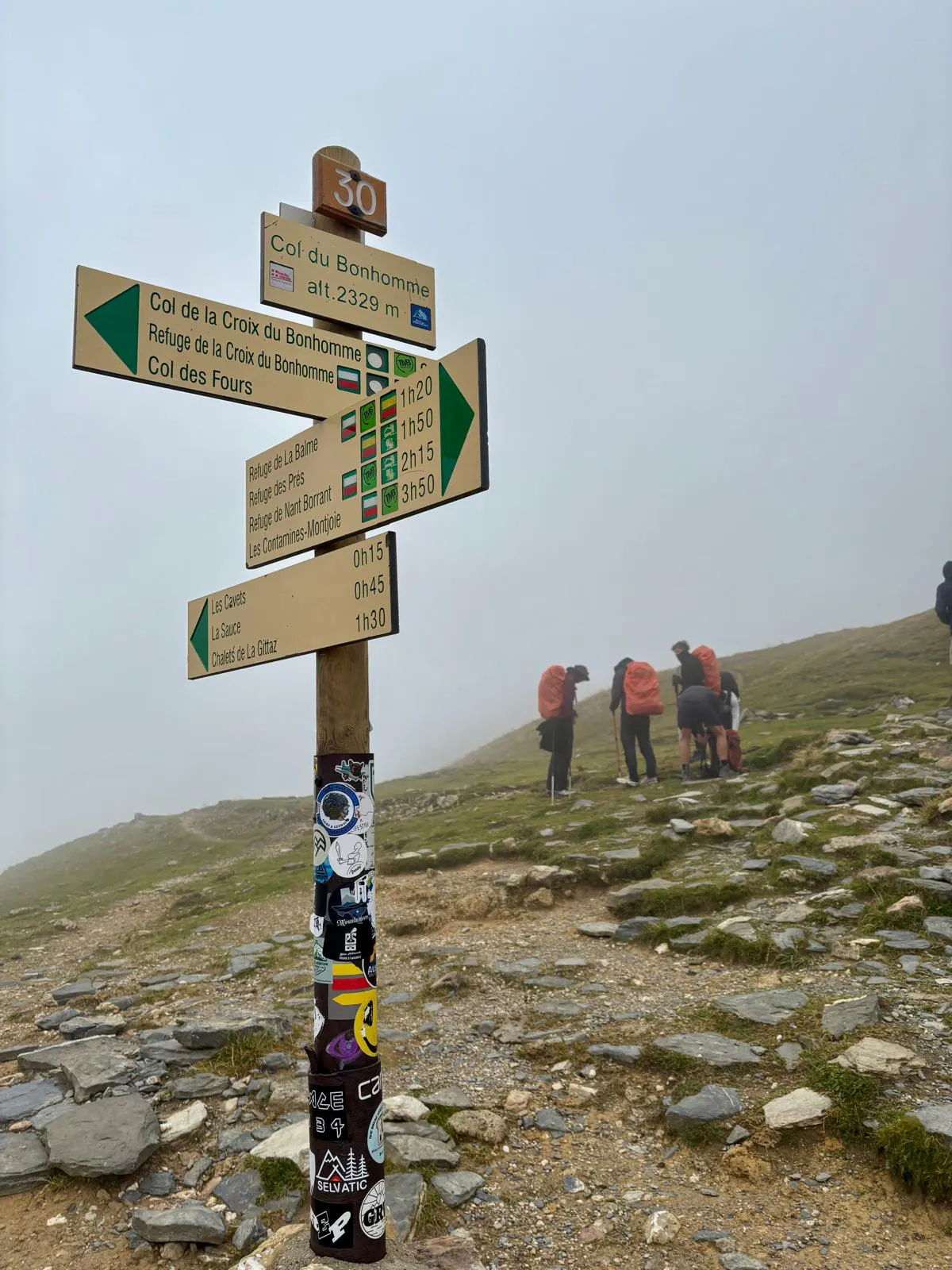
The biggest day of the tour, and one of its finest. We climb over two passes in succession — the Col du Bonhomme and the Col de la Croix du Bonhomme — through a wild, high landscape that feels a world away from the valleys below. It's a long, rewarding day on the trail.
From Les Chapieux, a transfer takes us to Bourg-Saint-Maurice, a lively Savoyard town in the Tarentaise valley, where a comfortable hotel and a good dinner are waiting.
Ascent ~1,330 m · ~7 hours · Transfer Les Chapieux–Bourg-Saint-Maurice included · Night in Bourg-Saint-Maurice (hotel) · Meals: breakfast, packed lunch, dinner
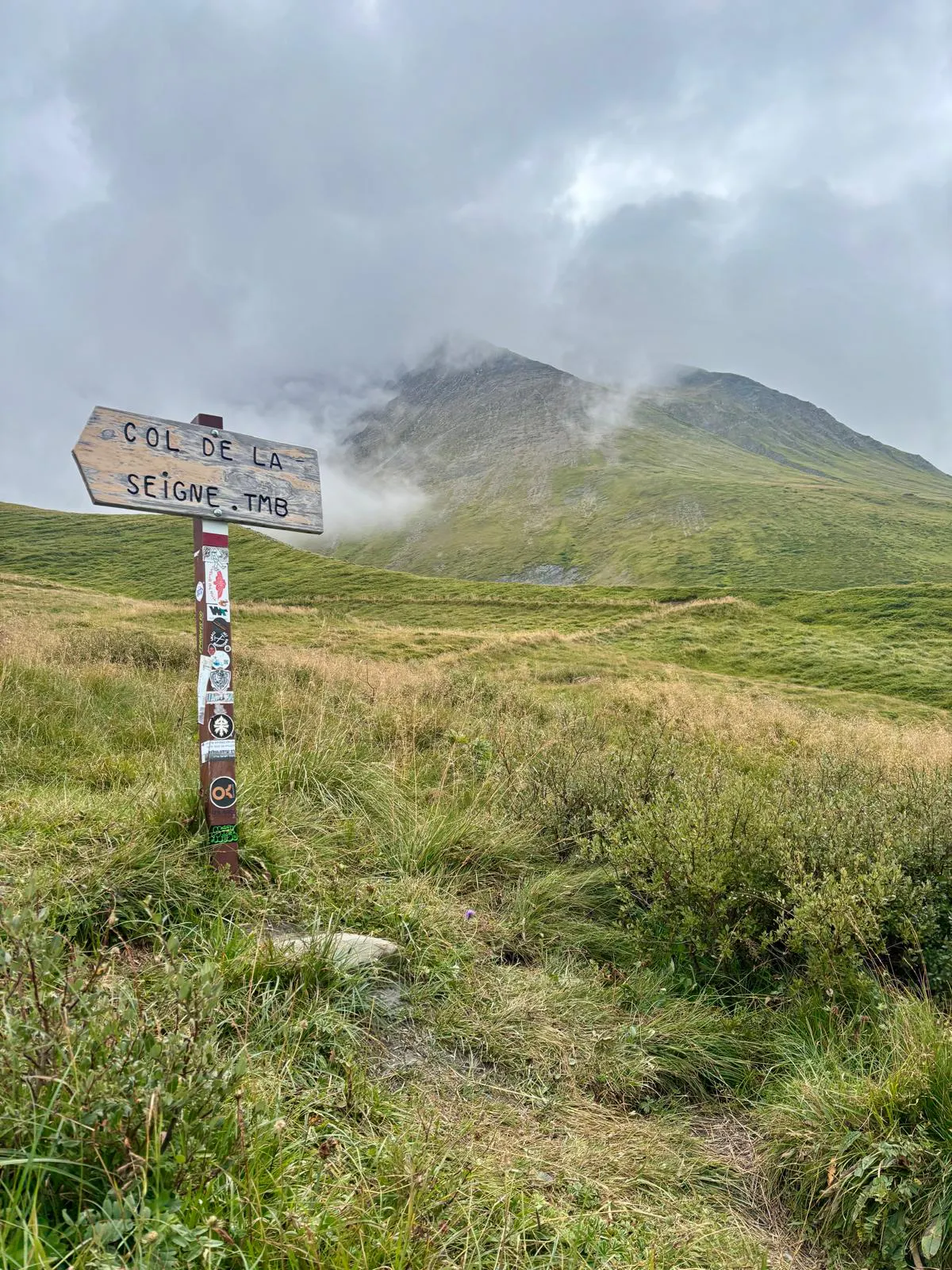
The final walking day, and the one that closes the circle. A transfer returns us to the trail, and we climb to the Col de la Seigne (2,516 m), the border pass where France gives way to Italy and the Italian Val Veny unfolds ahead, ringed by the Mont Blanc peaks we set out beneath ten days earlier.
We descend into the Val Veny and return to Courmayeur, where a farewell dinner celebrates the completion of the whole Tour du Mont Blanc.
Ascent ~700 m · ~6 hours · Transfers included · Night in Courmayeur (hotel) · Meals: breakfast, packed lunch, farewell dinner
After breakfast, your trip comes to an end. A shared transfer takes you from Courmayeur back to Geneva airport (departing 9:30). Arrivederci — and congratulations on completing the Tour du Mont Blanc.
For those heading home, the shared private transfer to Geneva airport departs at 9:30 and is included in the price of the trip. As on arrival, if your travel plans don't fit the group schedule, we can arrange a private transfer at any time for an additional cost — just let us know when you book.
But there's no rule that says the journey has to end at breakfast. Courmayeur is a wonderful place to linger, and if you'd like to extend your stay and treat yourself to one last alpine experience, two ideas come warmly recommended by our guides:
Skyway Monte Bianco. Ride one of the most spectacular cable cars in the world from Courmayeur to Punta Helbronner at 3,466 metres, in rotating panoramic cabins that lift you from the valley floor into the heart of the glacier world in minutes. From the summit terrace you stand among the granite spires, séracs and hanging ice of the massif you have just spent ten days circling — Mont Blanc close enough to read the texture of its snow, and your entire route traceable in the valleys below. There is no better way to see, in a single sweep, exactly what you've achieved.
The Pré-Saint-Didier thermal spa. A few minutes from Courmayeur, the QC Terme thermal baths are among the finest in the Alps: outdoor thermal pools facing the Mont Blanc massif, saunas, steam rooms and relaxation spaces built around waters used for recovery since the 1800s. After ten days and 10,000 metres of ascent and descent, an afternoon drifting between warm pools — with the mountain you just walked around filling the horizon — is, in our experience, the perfect final chapter.
Both are easy to arrange independently, and we're happy to advise on timings, an extra hotel night in Courmayeur, or a later transfer if you decide to stay on.
However you choose to end it, the achievement travels home with you: three countries, seven high passes, and the complete circuit of the greatest massif in western Europe.
Private group transfer to Geneva airport at 9:30 (included) | Private transfer available on request | Meals: breakfast
The Tour du Mont Blanc is a trek, not a climb: there is no glacier travel, no technical terrain, and no need for mountaineering experience. But it would be a mistake to underestimate it. This is a sustained, multi-day mountain journey: eight days of walking across the eleven-day trip, on genuine alpine trails with daily ascents of 600–1,300 metres and several passes above 2,300 metres, with a rest day in Chamonix in the middle.
Cardiovascular fitness and endurance. You should be comfortable walking 5–7 hours per day, on consecutive days, with daily elevation gains of 600–1,300 metres. The key word is sustained: plenty of hikers can manage one big mountain day, but this trek asks for eight, spread across the circuit. Day 9, over the two Bonhomme passes, is the longest of the tour at around 7 hours and 1,330 metres of ascent — and it comes late in the week, when accumulated fatigue is part of the equation. Our itinerary is designed to manage this, with gentler stages, cable cars that remove dead climbing, and comfortable hotel nights that maximise recovery — but the underlying fitness has to be yours.
Mountain walking experience. You should have previous experience of full-day hikes in mountainous terrain and feel confident on steep, rocky and occasionally rough paths. The TMB is well-marked and well-trodden, but it includes sustained descents on uneven ground, sections of loose stone, and — early in the season — the possibility of old snow patches on the high passes, where your guide will choose the safest line.
Daypack only. Thanks to the daily luggage transfers, you carry only a light daypack of around 5kg: waterproofs, warm layer, packed lunch, water and personal items. This makes an enormous difference to how the days feel, and it's one of the reasons this hotel-to-hotel format suits strong hikers who want to enjoy the trek rather than endure it.
How to prepare. We recommend starting structured training 10–12 weeks before departure: regular hill walking with a daypack (ideally back-to-back days at weekends), plus two or three weekly sessions of sustained cardio — trail running, cycling, swimming or brisk uphill walking. Leg and core strength work pays off most on the long descents, which surprise more TMB walkers than the climbs do. If you can comfortably complete two consecutive days of 6-hour hikes with 1,000 m of ascent, you're ready.
If you're unsure whether your fitness or experience is sufficient, contact us before booking. We're happy to talk through your background honestly and help you decide — and, if needed, point you toward a sensible training plan.
It's an 11-day guided walk of the complete Tour du Mont Blanc, hotel to hotel, through Italy, Switzerland and France (10 nights, 8 walking days plus a full rest day in Chamonix, arrival and departure days). You carry only a daypack while your luggage travels ahead by road, and you sleep in comfortable hotels every night. All dinners, breakfasts, packed lunches, transfers and route cable cars are included.
Absolutely, and many of our guests do. Solo travellers are paired in a twin room with another guest of the same sex, or you can book a single room at an extra cost, subject to availability.
Both walk the same iconic route with the same handled logistics. The Deluxe version stays in hand-picked 4-star spa hotels every night (except one), with extras like an evening in the Roman baths of Martigny, the Aiguille du Midi cable car included, and a Michelin-selected farewell dinner. The Comfort Trek focuses on the walking and the comfort of a good hotel and a proper dinner each day — simpler, characterful hotels and a friendlier price — without the spa-hotel, Michelin dining, Aiguille du Midi and Roman baths of the Deluxe.
Eight walking days, typically 5 to 7 hours each, with daily ascents of 600 to 1,300 metres on mountain trails. The distances are moderate (around 8 to 11 miles); the climbing is what makes the days. A rest day in Chamonix sits in the middle to recover.
We deliberately keep groups small - 10 guests per departure. Small groups move well on the trail, fit comfortably into the characterful hotels we use, and mean your guide genuinely knows every walker's pace and condition by the end of the first day.
You bring one main bag (soft duffel, max. 15 kg) which travels ahead by road every morning and is waiting at your next hotel's reception when you arrive. On the trail you carry only a light daypack with waterproofs, a warm layer, your packed lunch and water — around 5–7 kg.
Yes. Quality trekking boots and poles can be rented from our partner shop in Courmayeur — reserve them when you book and they'll be ready for collection on Day 1, during the afternoon before the briefing. One honest piece of advice from our guides: if you rent boots, wear them around town on Day 1 and let your guide know on the easier early stages so any fit issues surface immediately. Better still, if you own well broken-in boots, bring them — ten days is a long time in unfamiliar footwear.
Mountain weather is part of the mountains, and this is where local guiding earns its keep. Your guide checks conditions every morning and adapts: choosing between route variants (such as the Fenêtre d'Arpette or Bovine on Day 4), adjusting start times ahead of afternoon storms, or using lower alternatives when a pass is unreasonable. The TMB is rich in options, and our guides know all of them. Full days lost to weather are rare; a well-managed change of plan is simply part of the craft.
The easiest way is to fly to Geneva. Our shared transfer departs Geneva airport at 15:00 on arrival day and brings you directly to Courmayeur (approx. 2 hours); the return transfer leaves Courmayeur at 9:30 on the final morning, in comfortable time for afternoon flights. Both are included. If your flight times don't fit the shared schedule, we can arrange a private transfer for an additional cost.
If you prefer to fly into another airport — such as Milan Malpensa or Turin — that's no problem either: we can organise a private transfer to Courmayeur for you at an additional cost. Just let us know your arrival details and we'll take care of it.
Yes, it's mandatory. You must have travel insurance covering mountain rescue, helicopter evacuation and repatriation for trekking at altitudes up to 2,700 metres, valid in Italy, Switzerland and France. We strongly recommend adding cancellation cover as well.
Our departures run from June to September. Late June and early July offer wildflowers at their peak and lingering snow patches on the high passes, which adds a touch of alpine character; July and August bring the most settled weather and the longest days; September offers quieter trails, crisp air and the first autumn colours.
Yes, we recommend it. With only nine small-group departures in 2027 and hotels along the route booked many months ahead, the popular dates fill early — our 2026 season sold out entirely.
We ask for a 30% deposit at the time of booking, which secures your place on your chosen departure. Each departure is confirmed once it reaches the minimum group size of 4 participants — at that point we'll contact you and the outstanding balance becomes due.
Once the balance is paid and the departure is confirmed, the booking becomes non-refundable. We work this way for a simple reason: a confirmed departure means every guest can book flights well in advance, when prices are at their best. For this reason we strongly advise taking out cancellation insurance at the time of booking.
In the rare case that a departure doesn't reach the minimum of 4 participants, we'll contact you well in advance and offer you the choice of:
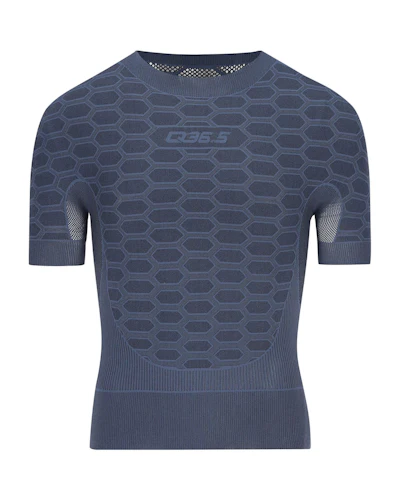
Lightweight and highly breathable synthetic base layer, designed to wick moisture away from the skin and dry rapidly after washing.
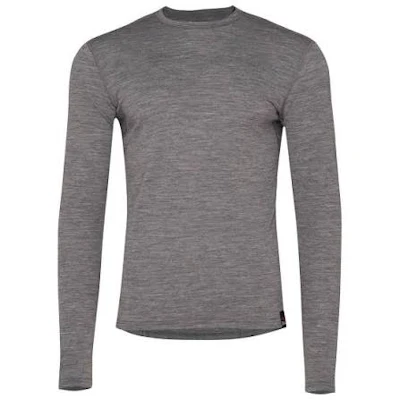
A long-sleeve merino wool top is a versatile additional layer, ideal for wearing over a T-shirt when temperatures drop. It can also be a comfortable option for relaxing in the evening.
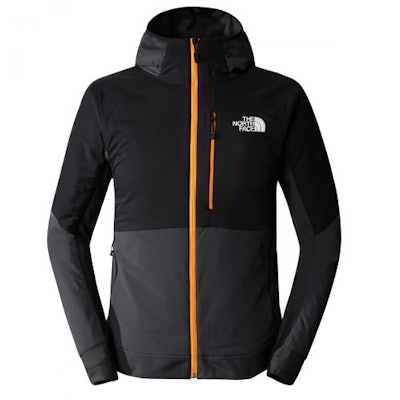
A lightweight fleece or merino wool mid layer worn over your base layer provides extra insulation on chilly mornings, cooler days, and during descents. A hood is optional, but choose a model that is lightweight and easy to pack.
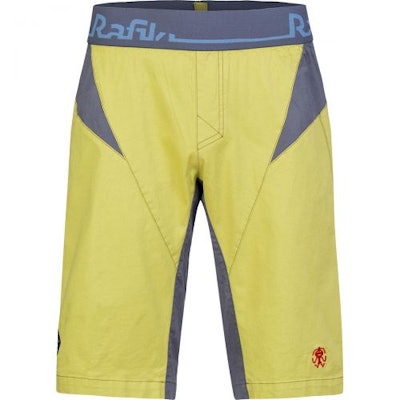
Trekking shorts are generally the most comfortable choice for warm summer days in the mountains, offering freedom of movement and good breathability.
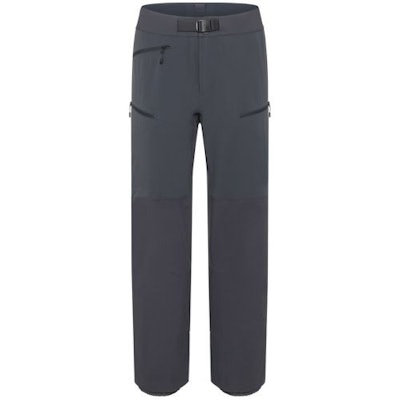
Lightweight trekking trousers are useful for cooler conditions and evenings in the mountains. Alternatively, consider convertible hiking trousers with zip-off legs, giving you the flexibility to switch between trousers and shorts as temperatures change.
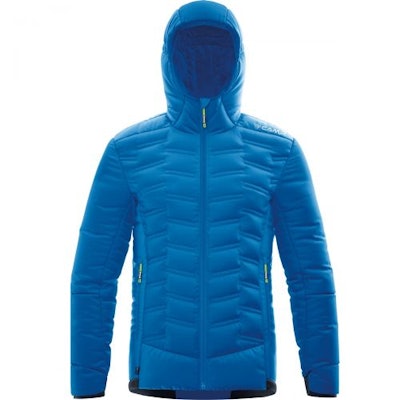
A lightweight insulated jacket is an essential extra layer for cooler conditions. Both down and synthetic options are available, but synthetic insulation generally performs better if exposed to moisture. Look for a warm yet lightweight jacket that packs down easily, making it ideal for cool days, rest stops, and evenings at the refuge.
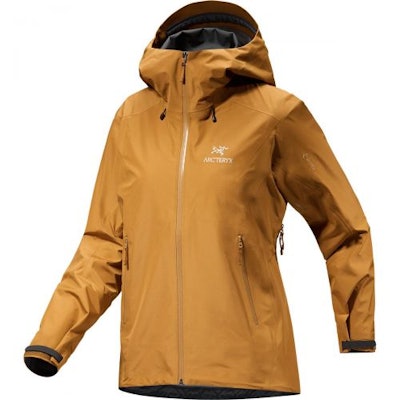
Your hardshell jacket must include a hood for full protection from wind and rain. Waterproof and breathable, it serves as a critical outer layer, ensuring comfort and mobility in harsh conditions.
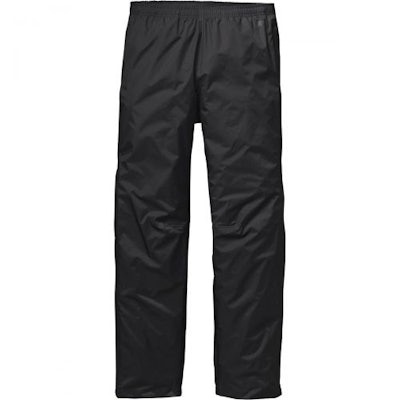
Hardshell waterproof pants are vital for protection against rain. Choose ones with full-length separating side zippers for easy access and ventilation, ensuring comfort and mobility.
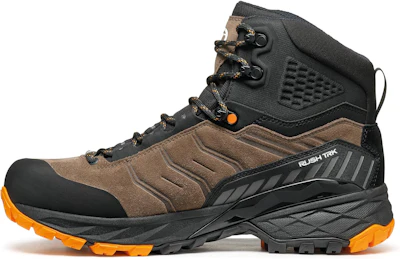
We recommend sturdy, waterproof hiking boots with good ankle support and a durable, high-grip sole such as Vibram or equivalent (no trainers).
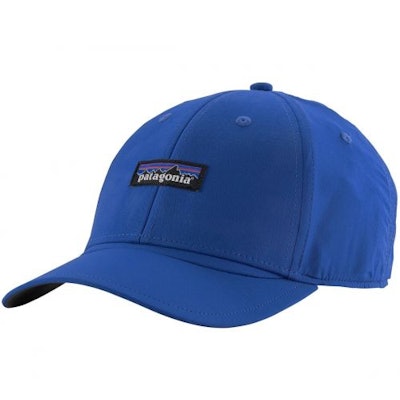
A sun hat is essential for protecting your face and neck from harmful UV rays. It offers shade and breathability, keeping you cool and comfortable during long hours in sunny conditions.
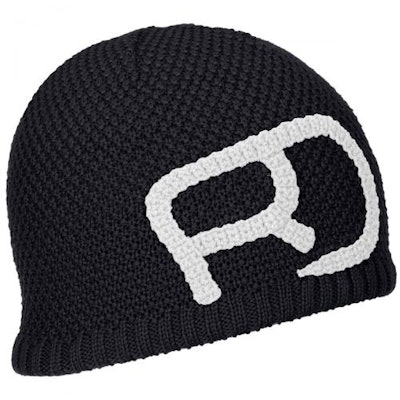
A warm hat is crucial for retaining heat during cold conditions. It provides insulation for your head and ears, ensuring comfort while climbing in low temperatures and protecting against wind chill.
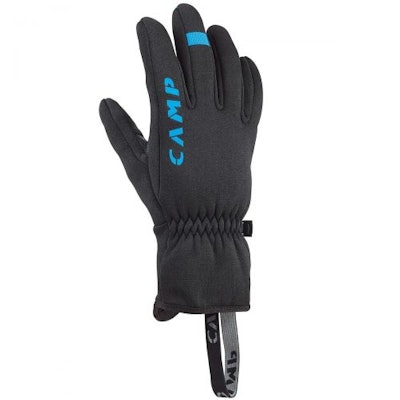
Bring full-finger thin gloves for dexterity and light protection. They offer warmth in mild conditions while allowing precise hand movements.
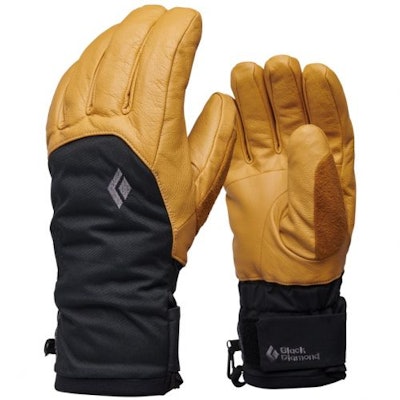
Softshell gloves for lightweight warmth, wind protection and comfort during cooler sections. Choose a breathable pair that allows good dexterity.
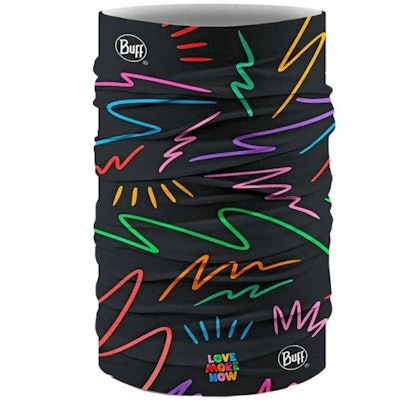
A buff is versatile and provides essential protection against wind, cold, and sun. It can be worn around the neck, over the face, or as a head covering, offering warmth and comfort in changing conditions.
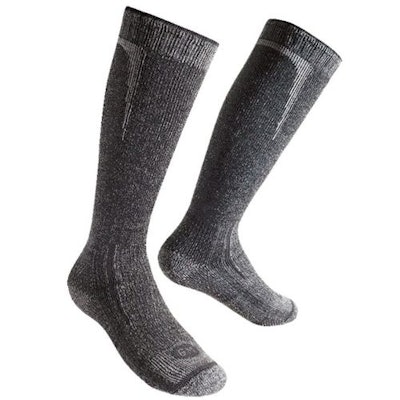
Choose comfortable, breathable hiking socks that wick moisture away from your feet and help prevent blisters during long days on the trail. Merino wool or quality synthetic materials are both good options. Bring a few pairs so you can change into a fresh, dry pair when needed.
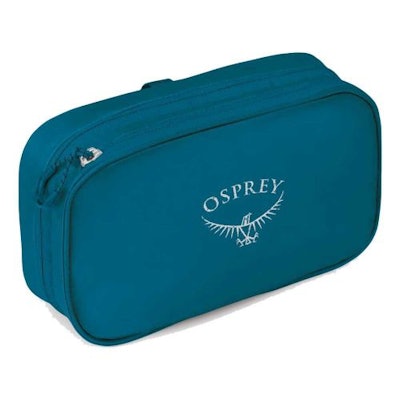
Pack a small personal-care kit with essentials such as a toothbrush, toothpaste, blister or first-aid tape, plasters, and any medication you may need during the trip. As your main luggage will be transported ahead to your next accommodation, you won’t need to carry this bag with you during the day.
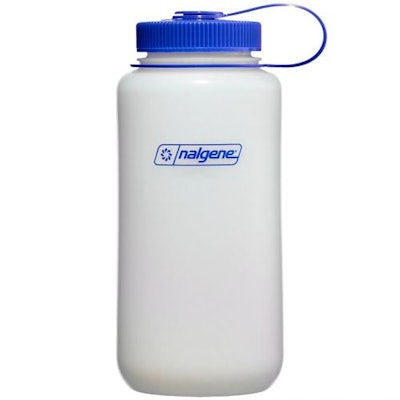
A hydration system with a capacity of at least 1 litre is recommended, although you may want to carry more depending on how much you normally drink. Water refill points are available on some sections of the route, but they cannot always be relied upon. We recommend carrying water purification tablets or another suitable treatment option as a backup.
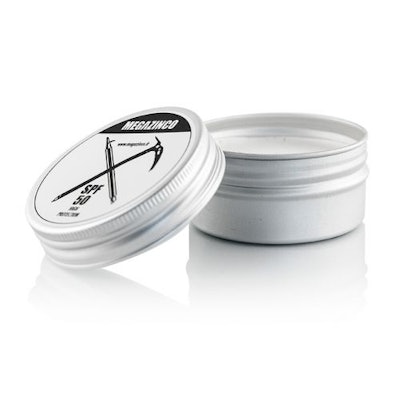
Sunscreen with SPF 50 is essential for high mountain conditions, providing superior protection against harmful UV rays. Apply generously to all exposed skin to prevent sunburn during the tour.
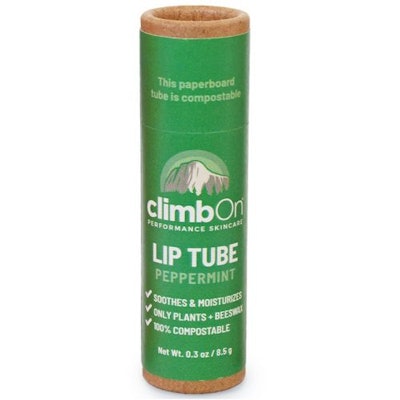
A high-protection lipscreen is essential for shielding your lips from UV rays and harsh weather in the mountains. It helps prevent chapping and sunburn, keeping your lips moisturized and safe.
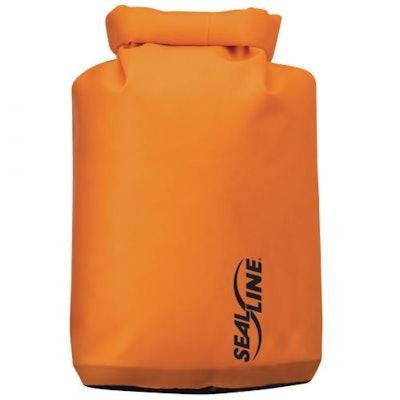
Keep your personal documents in a waterproof bag to protect them from moisture and damage. This ensures that essentials like your ID, permits, and insurance information stay safe.
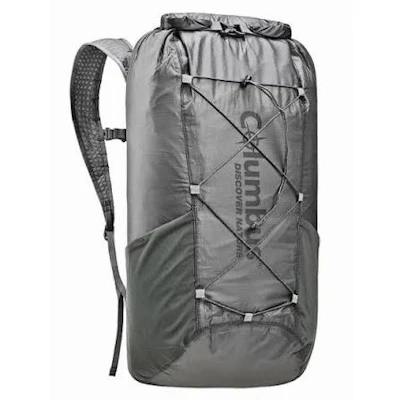
You will need a small daypack of around 20–25 litres for carrying your essentials while walking. Your main luggage will be transferred separately and will be waiting for you at your next hotel.
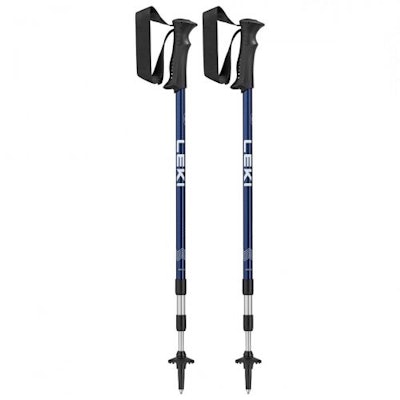
Trekking poles are highly recommended, particularly on longer or more demanding days. They can provide additional stability on uneven terrain, help distribute the effort during steep ascents, and reduce the impact on your knees and joints during descents
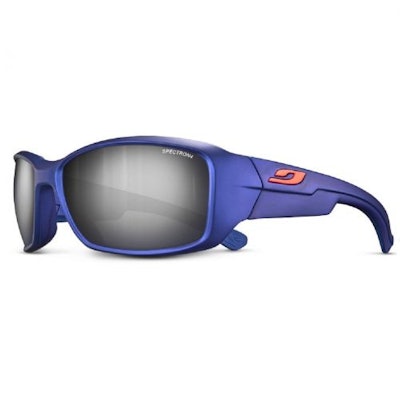
Sunglasses are essential, providing protection from strong mountain sunlight and harmful UV rays. Choose a good-quality pair with adequate coverage and a secure, comfortable fit for long days on the trail.
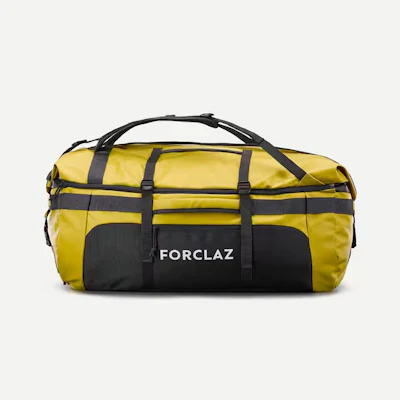
Your main luggage should be packed in a soft duffel-style bag rather than a hard-shell suitcase. Please keep each bag within the 15 kg maximum weight limit, as your luggage will be transferred between accommodations during the trek.
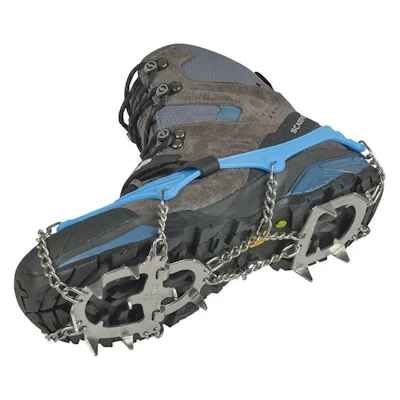
Not mandatory for most departures, but they can be useful in the early season when snow or icy conditions may remain on some of the higher passes (we'll advise beforehand). If required, can usually be rented, so there is no need to purchase them in advance if you don't have them
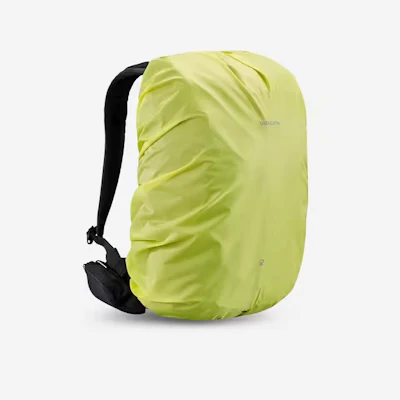
A lightweight rain cover to protect your backpack and its contents from rain and wet conditions. Choose one that fits your backpack size securely.